Best crypto wallet options are essential for anyone looking to securely store and manage their digital assets in 2025. With the rise of cryptocurrency adoption, choosing a wallet that offers both security and convenience has never been more important. Whether you prefer a hot wallet for quick transactions or a cold wallet for enhanced protection, selecting the right solution can safeguard your funds from potential threats.
In this guide, TopCoin9 will explore the most secure and reliable crypto wallets, key features to consider, and emerging trends shaping the future of digital asset storage.

Trade on the go. Anywhere, anytime.

Bybit delivers a fast, secure, and feature-rich platform for crypto trading!

OKX offers secure trading for 300+ cryptocurrencies.

Check-in daily to earn $50 in crypto strategic reserve currencies instantly!

Trade 600+ Pairs 0% Maker Fees - Earn 30,000 Welcome Bonus

BTSE offers a secure and innovative platform for trading cryptocurrencies.

Better Liquidity, Better Trading, Global Crypto Derivatives Exchange

The Global Cryptocurrency Exchange - Your Crypto Trading Expert

The Most Efficient Crypto Trading and Investment Platform

Sign Up now to claim a 7700+ USDT welcome gift

Gateway to Digital Asset, Highway to Wealth

Gateway to Crypto - Sign up and win $10,000+ in welcome rewards
Understanding crypto wallets
Cryptocurrency wallet is a concept that every crypto investor needs to know. What type of wallet is this? Please see the definition below.
What is a crypto wallet?
What is a crypto wallet?
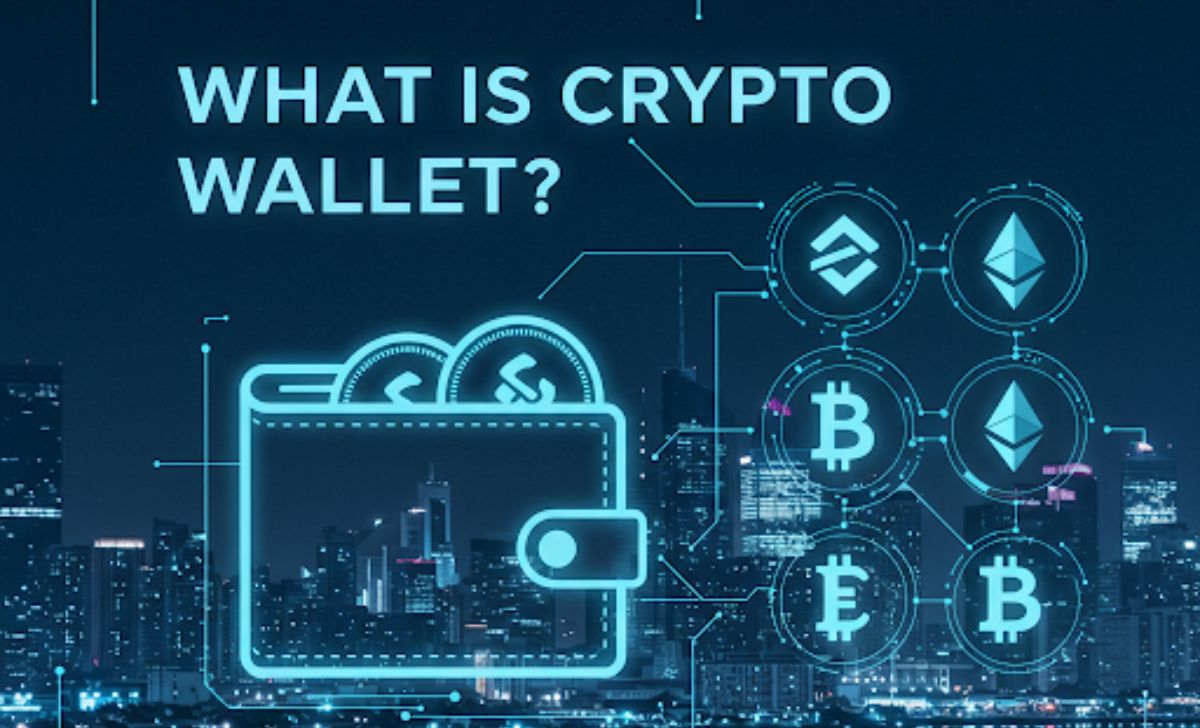
A crypto wallet is a digital tool that allows users to store, send, and receive cryptocurrencies securely. Unlike traditional wallets that hold physical cash, crypto wallets store private and public keys, which are essential for accessing and managing digital assets on the blockchain.
Crypto wallets operate using two key components:
- Public Key: Functions like a bank account number. It is shared with others to receive cryptocurrency transactions.
- Private Key: A secret code that grants full control over the wallet’s funds. It must be kept secure, as anyone with access can transfer the assets.
When a user sends or receives cryptocurrency, the wallet interacts with the blockchain to validate and record the transaction. Some wallets also integrate additional security features, such as multi-signature authentication or biometric verification, to enhance protection.
In essence, a crypto wallet doesn’t physically store cryptocurrencies but provides secure access to blockchain-based funds through cryptographic keys. Depending on user preferences, wallets can be hot (connected to the internet) or cold (offline for enhanced security), each with its own advantages and trade-offs.
What types of crypto wallets are there? Please continue to follow the details below.
Types of crypto wallets
Crypto wallets come in various forms, each offering different levels of security, convenience, and accessibility. They are generally categorized into hot wallets (connected to the internet) and cold wallets (offline storage). Understanding these types will help you choose the best option based on your needs.
Hot wallets (Software-Based Wallets)
Hot wallets
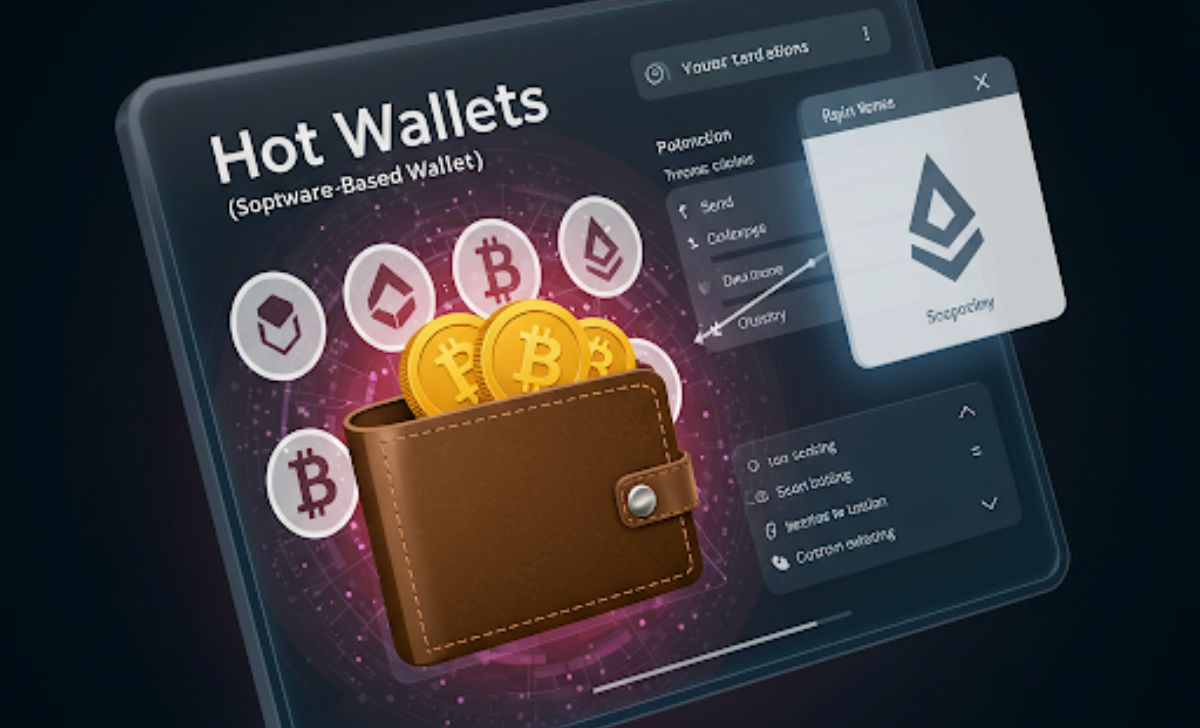
Hot wallets are digital wallets that require an internet connection, making them ideal for frequent transactions. However, they are more vulnerable to hacking and cyber threats. Hot wallets are divided into the following types:
- Mobile wallets: Installed as mobile apps for convenient access. Ideal for quick payments and daily crypto transactions. Examples: Trust Wallet, MetaMask, Coinbase Wallet.
- Desktop wallets: Software applications that run on a computer. Offer better security than mobile wallets but are still exposed to malware risks. Examples: Exodus, Electrum, Atomic Wallet.
- Web wallets: Cloud-based wallets accessible through web browsers. Convenient but less secure as private keys are often stored online. Examples: Binance Wallet, Blockchain.com Wallet.
The opposite of hot wallets is cold wallets. You continue to see details below.
Cold wallets (Offline Storage Wallets)
Cold wallets
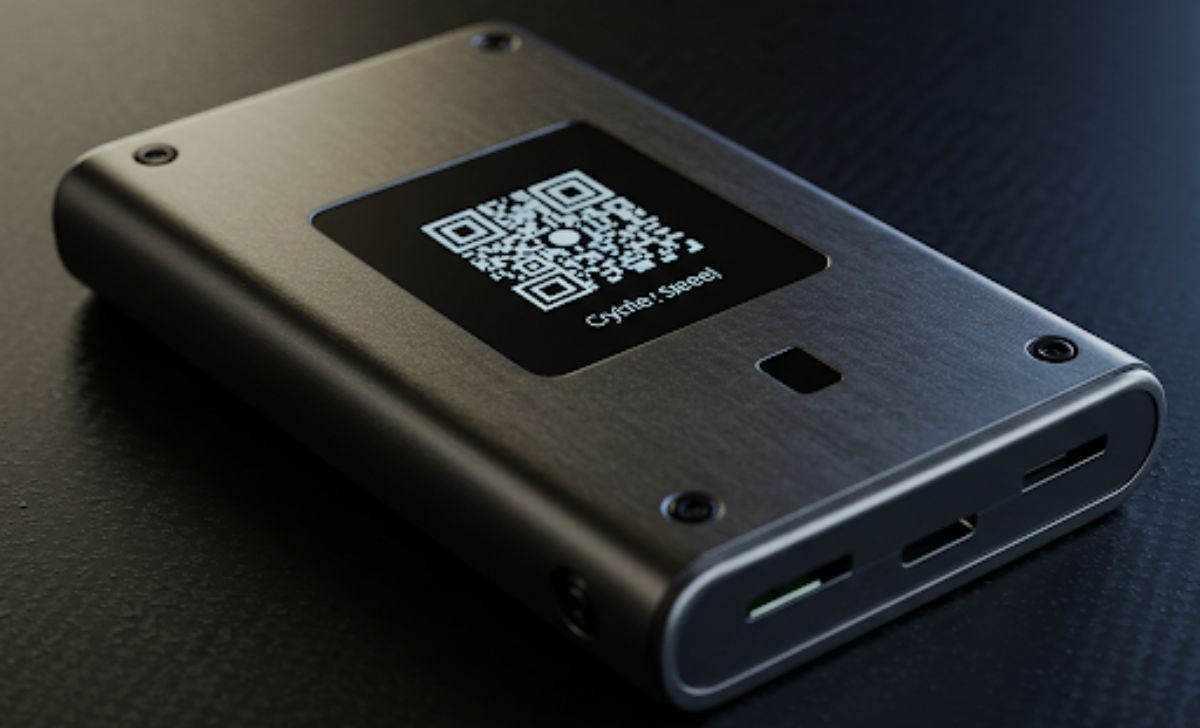
Cold wallets store private keys offline, making them significantly more secure against cyber threats. They are best for long-term crypto holders (HODLers). Cold wallets are divided into the following types:
- Hardware wallets: Physical devices that store private keys securely offline. Require connection to a computer or mobile device for transactions. Examples: Ledger Nano X, Trezor Model T, Keystone Pro.
- Paper wallets: A printed or written document containing public and private keys. Completely offline, making it immune to hacking but prone to physical damage or loss.
The last type of cryptocurrency wallet is Custodial vs. Non-Custodial Wallets. For details, you can follow the continuation section.
Custodial vs. Non-Custodial wallets
Features of custodial vs. non-custodial wallets:
- Custodial wallets: Private keys are managed by a third party (e.g., exchange wallets). Easier to use but less control over funds. Examples: Binance, Coinbase Wallet.
- Non-Custodial Wallets: Users have full control over their private keys. Requires more responsibility but offers greater security and decentralization. Examples: Trust Wallet, MetaMask.
There are many types of wallets for storing cryptocurrency, what criteria should be based on when choosing? Please see the analysis below.
Key factors in choosing a secure crypto wallet
Key factors in choosing a secure crypto wallet
Selecting the best crypto wallet requires careful consideration of security, usability, and functionality. With the increasing risk of cyber threats, choosing a wallet with robust protection measures is crucial. Below are the key factors to evaluate when selecting a secure and reliable crypto wallet in 2025.
Security features
Security is the most critical aspect of any crypto wallet. Look for the following features to protect your assets:
- Private Key Control: Ensure you have full ownership of your private keys. Non-custodial wallets like Ledger, Trezor, and Trust Wallet give users complete control.
- Two-Factor Authentication (2FA): Adds an extra layer of security by requiring a second form of verification.
- Multi-Signature Support: Requires multiple approvals before transactions are processed, reducing the risk of unauthorized access.
- Backup & Recovery Options: Seed phrases allow you to recover your wallet in case of loss or theft. Ensure you store them securely.
The second criterion is user experience & accessibility. You continue to see details.
User experience & accessibility
A wallet should be easy to use while offering essential security features:
- Ease of Use: Intuitive interfaces are ideal for beginners. Wallets like Exodus and MetaMask are known for their user-friendly design.
- Device Compatibility: Some wallets are designed for specific devices (mobile, desktop, or hardware). Ensure the wallet supports your preferred platform.
- Multi-Currency Support: If you hold multiple cryptocurrencies, choose a wallet that supports a wide range of assets.
The third criterion is reputation & community trust. Please continue to follow along.
Reputation & community trust
A wallet’s reliability is often reflected in its reputation and user feedback.
- Security Track Record: Research past security breaches. Wallets with a strong security history, like Ledger and Trezor, are preferable.
- Open-Source vs. Closed-Source: Open-source wallets allow developers to audit the code for vulnerabilities, making them more transparent. Examples: Electrum, Mycelium.
- Customer Support & Development Team: Check if the wallet provider offers responsive customer support and regular updates to address security risks.
With the above criteria, which type of e-wallet is the best for the cryptocurrencies to buy now? Follow the detailed information below.
Best crypto wallets in 2025
Best crypto wallets in 2025
As the cryptocurrency landscape continues to evolve, selecting the right crypto wallet is crucial for ensuring security, convenience, and accessibility. Whether you need a hot wallet for quick transactions, a cold wallet for maximum security, or a custodial wallet for ease of use, here are the top recommendations for 2025.
Best hot wallets for convenience
Hot wallets are ideal for users who frequently trade or interact with decentralized applications (dApps). They offer instant access to funds but require strong security measures due to their internet connectivity.
MetaMask (Best for DeFi & Web3):
- Supports Ethereum and EVM-compatible blockchains.
- Seamless integration with DeFi platforms and NFTs.
- Non-custodial with private key control.
Trust Wallet (Best for Multi-Chain Support):
- Compatible with over 70 blockchains and thousands of tokens.
- Integrated staking and dApp browser.
- Non-custodial and user-friendly.
Exodus (Best for Beginners):
- Supports more than 300 cryptocurrencies.
- Offers built-in exchange and portfolio tracking.
- Available on desktop, mobile, and hardware wallets.
Phantom (Best for Solana Users):
- Optimized for Solana-based assets and NFTs.
- Secure browser extension and mobile app.
- Fast transactions with low fees.
Best cold wallets for security
Cold wallets store private keys offline, making them the safest choice for long-term crypto storage.
Ledger Nano X (Best Overall Security):
- Supports 5,500+ cryptocurrencies.
- Bluetooth connectivity for mobile access.
- Secure hardware chip with private key protection.
Trezor Model T (Best for Open-Source Security):
- Full touchscreen display for easy use.
- Open-source firmware for transparency.
- Supports Shamir Backup for enhanced recovery options.
Keystone Pro (Best for Air-Gapped Security):
- Fully air-gapped with QR-code signing.
- Tamper-resistant with self-destruct mechanism.
- Compatible with MetaMask and hardware wallets.
Best custodial wallets for ease of use

Custodial wallets are managed by third-party providers, making them user-friendly but requiring trust in the platform’s security.
Coinbase Wallet (Best for Beginners):
- Easy integration with the Coinbase exchange.
- Secure multi-layer authentication.
- Free-to-use with on-chain storage options.
Binance Wallet (Best for Trading & DeFi):
- Direct access to Binance’s ecosystem and Binance Pay.
- Secure storage with insurance protection.
- Supports hundreds of cryptocurrencies.
OKX Wallet (Best for Multi-Chain Users):
- Supports over 50 networks including Ethereum, Solana, and BNB Chain.
- Non-custodial mode available for enhanced security.
- Built-in DeFi, NFT, and dApp support.
Although quite safe, to ensure the best storage of your cryptocurrency, you need to pay attention to some of the issues below. Please continue to follow along.
How to secure your crypto wallet
How to secure your crypto wallet
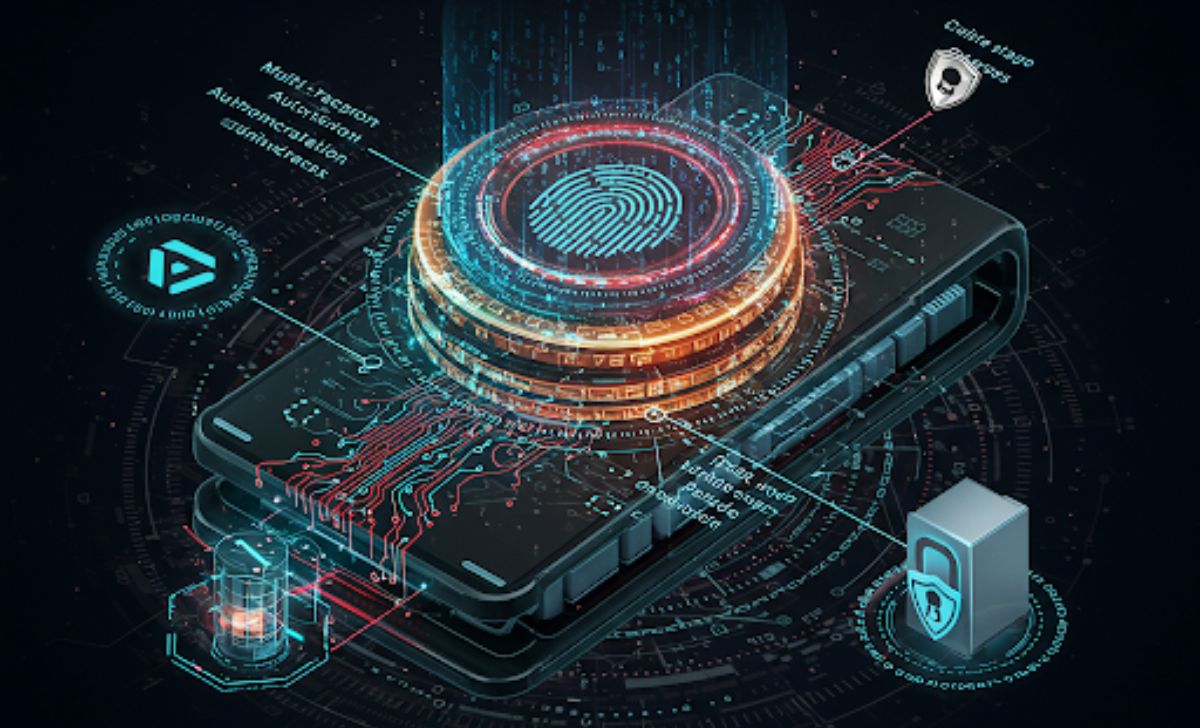
Ensuring the security of your crypto wallet is essential to protect your digital assets from hacking, phishing, and theft. Whether you use a hot wallet, cold wallet, or custodial wallet, implementing strong security measures is crucial. Below are the best practices and backup strategies to keep your wallet safe.
Best practices for keeping your wallet safe
Here are methods to ensure your cryptocurrency wallet is safe:
- Use a hardware wallet for long-term storage: Cold wallets like Ledger Nano X and Trezor Model T store private keys offline, making them resistant to hacks. Only connect your hardware wallet to the internet when necessary.
- Enable two-factor authentication (2FA): For hot wallets and custodial wallets, enable 2FA to add an extra security layer. Use authentication apps like Google Authenticator or Authy instead of SMS-based verification.
- Never share your private keys or seed phrase: Your private key and seed phrase grant full access to your funds. Keep them confidential. Do not store them digitally (e.g., in emails, notes, or cloud storage).
- Beware of phishing attacks & fake wallets: Only download wallet apps from official websites or app stores. Be cautious of emails, pop-ups, or links asking for wallet credentials. Verify the URL before connecting your wallet to a dApp or exchange.
- Keep your wallet software updated: Regular updates patch security vulnerabilities and improve functionality. Always download updates from the official website.
The second method to protect your cryptocurrency wallet is Backup & recovery strategies. For more details, please continue to follow.
Backup & recovery strategies
With this method you do the following:
- Securely store your seed phrase: Write down your 12- or 24-word recovery phrase on paper or metal backup plates. Store it in multiple secure locations, such as a fireproof safe.
- Use a multi-backup system: Consider Shamir Backup (offered by Trezor Model T) to split your seed phrase into multiple parts. This ensures that no single backup can be used to access your funds.
- Create encrypted digital backups (Only if Necessary): If you must store a digital copy, encrypt the file and store it in a USB drive with password protection. Avoid saving backups on cloud storage or email.
- Have an emergency recovery plan: In case of theft or loss, have a plan to restore your wallet using your backup keys or seed phrase. Consider a trusted third party (like a lawyer or family member) who can access your recovery plan if needed.
With advanced security technology, electronic wallets will develop even more in the future. Below are some analyses you can refer to.
Future trends in crypto wallet technology
Future trends in crypto wallet technology
As cryptocurrency adoption grows, crypto wallets continue to evolve with advanced features, improved security, and deeper integration with DeFi, Web3, and regulatory frameworks. Below are some key trends shaping the future of crypto wallets in 2025 and beyond.
Integration with DeFi & Web3
Wallets are increasingly integrating with decentralized finance (DeFi) protocols, allowing users to stake, lend, borrow, and swap assets directly within their wallets. Popular wallets like MetaMask, Trust Wallet, and Coinbase Wallet now provide built-in DeFi dashboards for easy access to yield farming and decentralized exchanges (DEXs).
Multi-chain wallets are becoming the standard, enabling users to interact with Ethereum, Solana, Binance Smart Chain (BSC), Polkadot, Avalanche, and more without switching between wallets. Bridges and interoperability protocols like Cosmos, Polkadot, and LayerZero are improving seamless asset transfers between different blockchains. Some security features will be upgraded in the future, you can see below.
Enhanced security features
Some more advanced security features will be developed, such as:
- Biometric Authentication & Hardware Security Modules (HSMs): More wallets integrate fingerprint, facial recognition, and retina scanning for enhanced security. Hardware wallets like Ledger and Trezor are incorporating HSM technology to prevent unauthorized access.
- AI-Powered fraud detection: AI and machine learning are being used to detect suspicious transactions, phishing attacks, and unauthorized wallet activities. Wallets like ZenGo already use MPC (Multi-Party Computation) technology to eliminate single points of failure in private key storage.
- Multi-signature & smart contract security: Institutional-grade wallets are adopting multi-signature (multi-sig) authentication, requiring multiple approvals for transactions. Smart contract wallets (like Safe, Argent, and Gnosis Safe) enable users to recover wallets, set spending limits, and implement time-locked withdrawals.
Ultimately, it comes down to development and compliance with each country’s regulations.
Regulatory developments & compliance
Cryptocurrency wallets can be applied in practice and comply with each country’s regulations such as:
- KYC & AML compliance for custodial wallets: Many governments are enforcing Know Your Customer (KYC) and Anti-Money Laundering (AML) regulations for custodial wallets. Platforms like Binance Wallet, Coinbase Wallet, and OKX Wallet require identity verification to comply with global regulations.
- Self-Custody & Decentralization movements: With increasing scrutiny on centralized exchanges (CEXs), users are shifting towards self-custody wallets to maintain control over their assets. Decentralized wallets like MetaMask, Trust Wallet, and Trezor continue to promote financial sovereignty.
- Government-Issued digital wallets & CBDCs: Countries are developing Central Bank Digital Currencies (CBDCs) with government-backed wallets for digital payments. Wallets supporting CBDCs and stablecoins may need to comply with stricter regulatory frameworks.
So, above is all the information about electronic wallets and how to use them safely that we want to share with you.
Conclusion
Sumarize, choosing the best crypto wallet in 2025 depends on your needs for security, convenience, and functionality. Whether you prioritize the ease of use offered by hot wallets, the unmatched security of cold wallets, or the accessibility of custodial wallets, selecting the right solution is crucial for protecting your digital assets.
Ultimately, the best approach is to diversify your wallet usage, keeping small amounts in hot wallets for transactions, using cold wallets for long-term holdings, and staying informed about the latest developments in wallet technology and regulations.